#WorldTradeMonth

The month of May means different things to different people.  In Indiana, Hoosiers may consider the Indianapolis 500 and its many festivities, planting season being in full swing or the approaching end of the school year.  You may not be aware that May is also World Trade Month.  Indiana Farm Bureau is taking this opportunity to highlight the numerous benefits of trade to Indiana’s farmers, rural communities and the general economy.
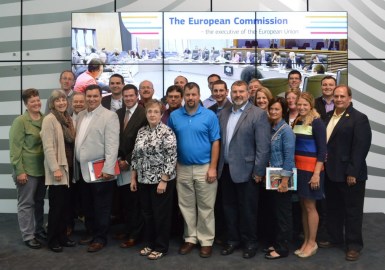
tradepic3(Indiana and Michigan Farm Bureau leaders visiting the European Commission in September 2015 as part of the Agricultural Leadership Exchange)

So why highlight trade?  Given the dire tone and negative rhetoric that surrounds this issue and the fact that every presidential candidate seems vehemently opposed to trade while proposing a seemingly isolationist political stance, you’d think I might consider spending my time on something else.

Well, let us briefly consider a few facts about trade and its role in Indiana for perspective:

  • Indiana ranks 8th among the 50 U.S. states in the value of its agricultural exports
  • Indiana’s agricultural exports reached an estimated $4.8 billion in 2013, up from $3.8 billion in 2009
  • Indiana’s agriculture exports support roughly 36,200 jobs
  • Nearly 1 out of every 3 acres of soybeans planted in Indiana are destined for export markets
  • Indiana’s top five agricultural exports are: 1. Soybeans – $1.7 billion 2. Soybean meal – $442 million 3. Feeds and fodder – $429 million 4. Corn – $410 million 5. Pork – $307 million
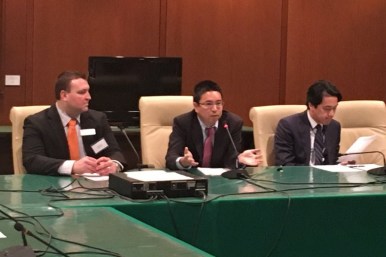
tradepic4(Over 50 Indiana Farm Bureau members met with officials from the Embassy of Japan during the 2016 INFB Leader Trip to Washington, D.C. in March to discuss trade and TPP)

We frequently hear opponents to new trade agreements argue that trade benefits agriculture at the expense of other industries.  However, a closer look at the collective economic impacts in Indiana seem to show a different picture as noted by the U.S. Chamber of Commerce:

  • More than 800,000 Indiana jobs depend on trade and the state’s exports have approached $50 billion annually in recent years.
  • Trade does not only benefit large multi-national corporations. Of the 8,258 Indiana companies that export, 85% were small or medium-sized firms.
  • Among those leading the charge is the auto sector. Exports of motor vehicles increased by an impressive 89% between 2009 and 2014, topping 2 million cars and trucks for the first time in 2014. U.S.-built cars shipped to China have risen sevenfold since 2009.

Given these realities, it is apparent that expanded international market and exporting opportunities for Indiana farms and businesses will result in added economic value and benefit.

Because of the important role trade plays to the success and viability of Hoosier farmers, Indiana Farm Bureau is encouraging its members to join in the efforts to promote trade opportunities for agriculture and emphasize the need for congress to pass the Trans-Pacific Partnership (TPP) and Trans-Atlantic Trade and Investment Partnership (TTIP).

There are many ways Farm Bureau members can participate in the World Trade Month campaign.  A list of resources and information (including most of the trade facts above) can be found at the Indiana Farm Bureau World Trade Month website, including a few suggestions for helping INFB with its trade advocacy efforts.  You can also find a social media script to help you get involved on Facebook and Twitter, following #WorldTradeMonth.

I hope that you will take a moment to join the conversation and inject some Hoosier common-sense into the ongoing trade debate.
Grassroots Advocacy in Action

Welcome!

I am Kyle Cline, your Hoosier on the Hill.  I’m excited to get this blog going and share my passion for public policy, government and all things agriculture.  I will be your host as we examine the issues and stories coming out of Washington, D.C. that impact American farmers and their rural communities.  In this first post, I highlight the annual Indiana Farm Bureau Leader Trip to Washington, D.C.

2-DC trip-DSC_7087-JAW

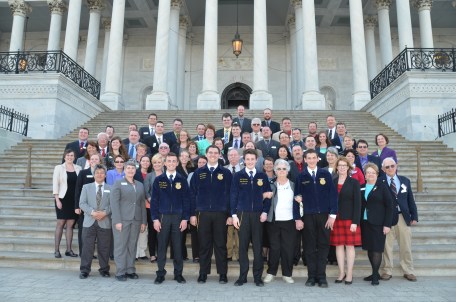
Each year, Indiana Farm Bureau members descend on Capitol Hill for the annual Leader Trip to Washington, D.C.  This trip is a prime opportunity for INFB members to participate in leadership development, issue education and to engage in some good old fashioned grassroots advocacy, including visits with their federal elected officials.  This year, the Leader Trip took place March 22-24 and included participation from 56 members.

The agenda may change from year to year, but the Leader Trip always includes plenty of opportunities for education on Farm Bureau’s national priority issues.  On day 1, our members arrived bright and early in Washington, D.C. and were greeted by the colorful cherry blossoms which were on full display the entire week.  Our first stop was a visit to the American Farm Bureau Federation. Members learned about the latest legislative and regulatory updates on some of the most pressing agricultural issues including biotechnology and GMO labeling, regulatory reform, trade and Trans-Pacific Partnership (TPP), farm policy and tax reform.  After hearing from INFB staff on advocacy “best practices” and planning their congressional visits for the next day, the Leader Trip participants set off on foot for the USDA, where the group heard from Acting Deputy Secretary Michael Scuse, Assistant Secretary for Congressional Relations Todd Batta, and Farm Service Agency Administrator Val Dolcini.  The discussions during this segment included international trade and TPP, farm policy, conservation and many other current issues.  Following the briefings, Leader Trip participants had an unexpected opportunity to tour USDA Secretary Vilsack’s office, which was possible because the secretary happened to be visiting Cuba with the president and other leaders.

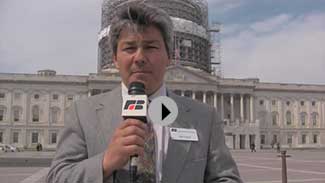
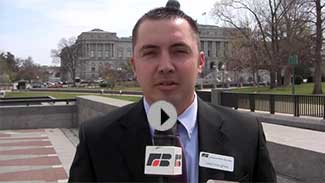
haugheecapture nagaicapture

Day 2 of the Leader Trip was the official Capitol Hill Day.  Farm Bureau members took their new knowledge as well as their own unique perspectives and stories from their farms and communities and delivered a grassroots message to Congress about the importance of agriculture.  Members were organized in groups by congressional districts and had the opportunity to meet with their congressman/congresswoman to ask them for their support on Farm Bureau’s priority issues and legislation.

brookscapture

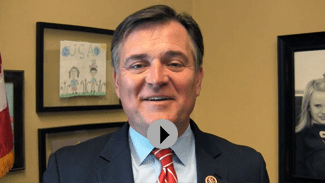
Representatives Luke Messer and Susan Brooks even took a few minutes away from their busy schedules to talk to us about the importance of constituent involvement in the legislative process and how office visits in D.C. are helpful to their work.  Their message re-confirms the positive difference that Farm Bureau and its members are making everyday.

messercapture

In the afternoon, our group visited the Senate Agriculture Committee and heard from Chief Economist Matt Erickson and Chief Counsel Anne Hazlett, both Hoosiers making a big difference on Capitol Hill for agriculture.  Last but not least, the group met up with the Iowa Farm Bureau in the afternoon for a session on renewable fuels and the future of farm policy.  Iowa Farm Bureau members were in town for their own version of the Leader Trip.

On Day 3, our members grabbed their passports and went global by paying a visit to the Embassy of Japan.  As an important trading partner and key nation in the proposed TPP, a visit with Japan made perfect sense.  Much of the discussion with Japanese officials focused on TPP and the importance of ensuring passage by Congress before the end of the year.  Japan plans to consider TPP for a vote in their parliament likely sometime in early summer.  The discussion was a good reminder to our members about how important international trade is to their bottom lines and profitability on the farm.  In a time when farm incomes have dropped 56% since 2013, more trade and market access for our products will be needed to get out of the hard times.  In Indiana alone, AFBF estimates an increase in cash receipts by $196 million and net exports by $98.3 million annually.  The largest gains will be in the soybean, corn, pork and beef sectors.

Overall, the 2016 Leader Trip was a success.  It is inspiring to me and the rest of the INFB staff to see current and future Farm Bureau leaders taking ownership of their destiny as they become effective advocates for agriculture.  It is empowering to see the effects of grassroots advocacy in action and the difference Farm Bureau makes when a few of us come together around a common cause.